Thyme
A Mediterranean herb used in cooking, medicine, and ornament.

Scan by NYPL · Public domain
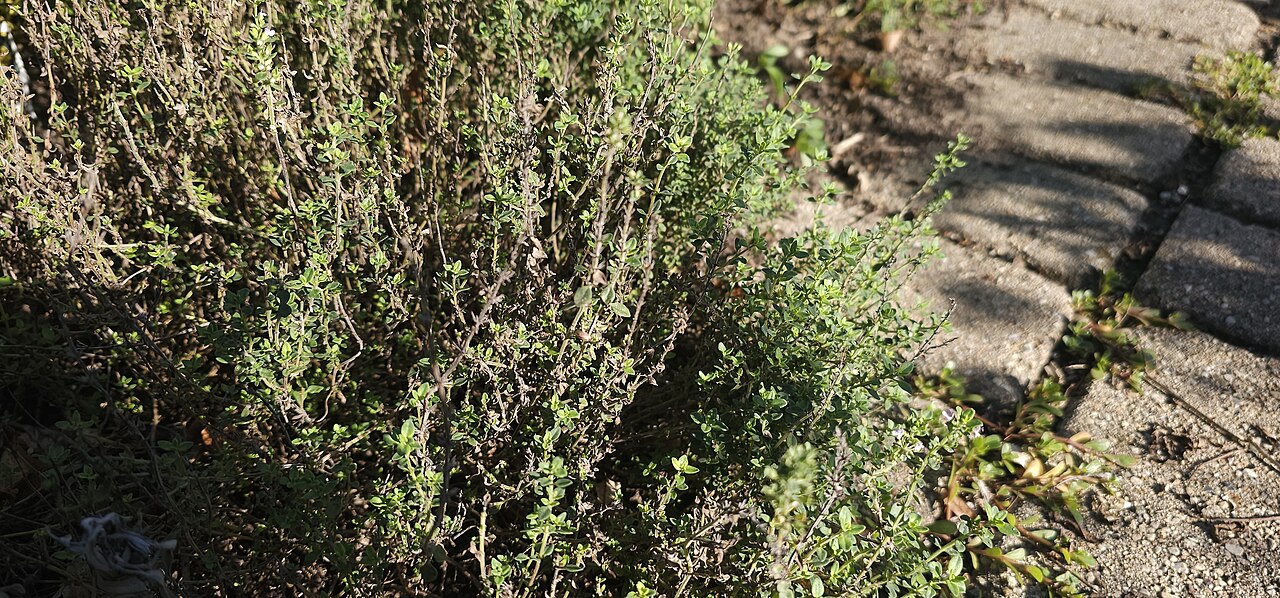
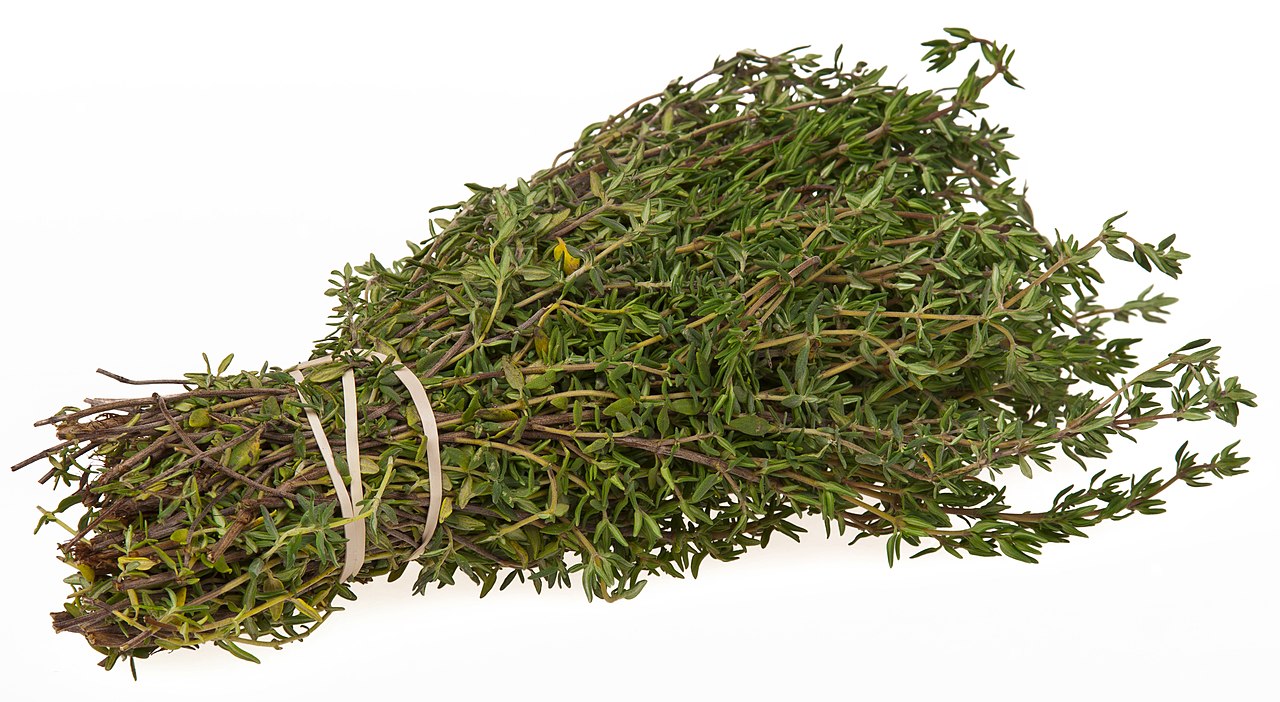
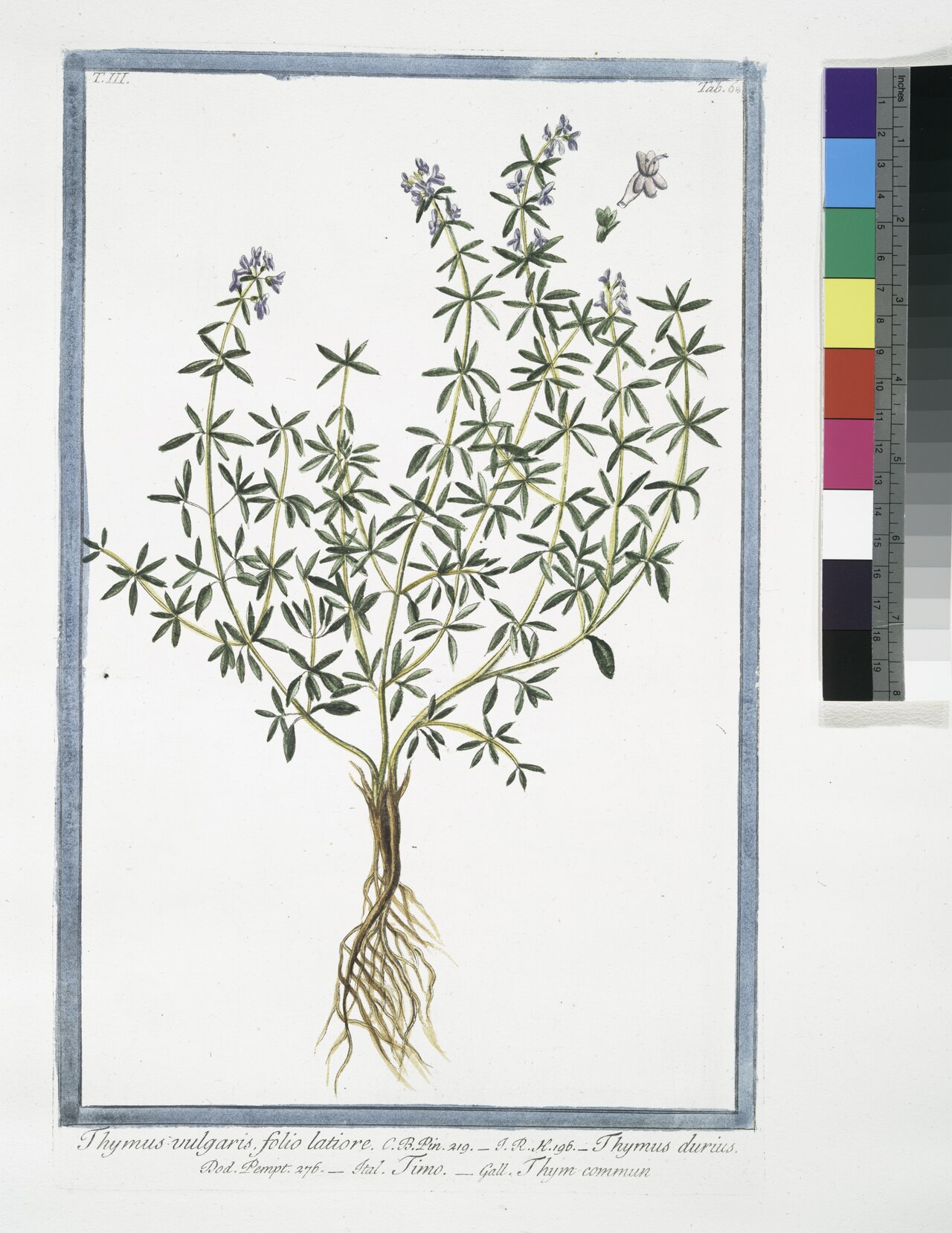
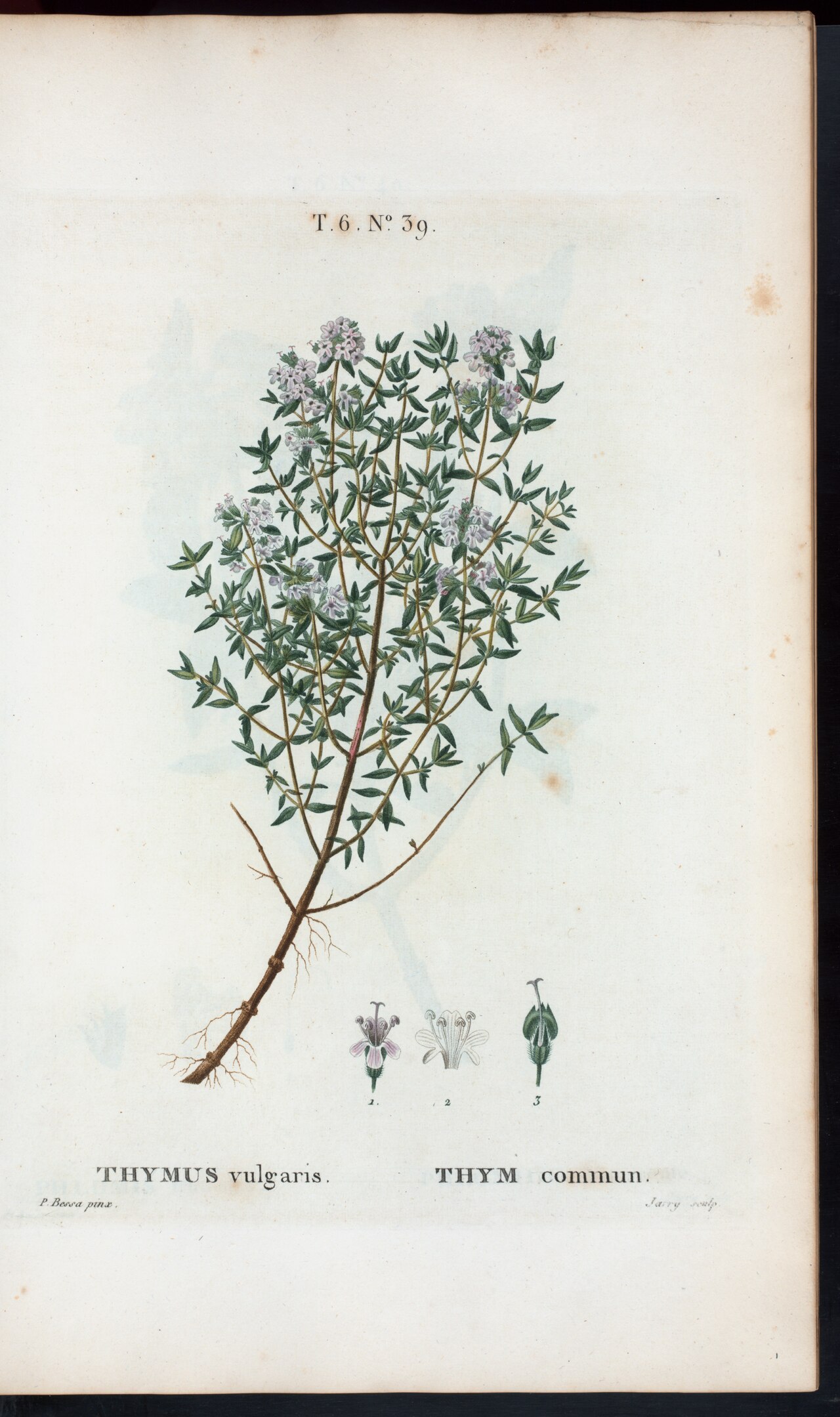
Thyme is a culinary herb consisting of the dried aerial parts of some members of the genus Thymus of flowering plants in the mint family Lamiaceae. Thymes are native to Mediterranean countries in North Africa, the Levant, and Southern Europe, and have culinary, medicinal, and ornamental uses.
- field
- Culinary herb, medicinal plant, ornamental plant
- native_region
- Mediterranean countries in North Africa, Levant, and Southern Europe
- most_cultivated_species
- Thymus vulgaris (common thyme)
- known_for
- Culinary herb, antiseptic properties, historical use in embalming and incense
Lore & Background
Wild thyme grows in the Levant, where it might have been first cultivated. Ancient Egyptians used common thyme (Thymus vulgaris) for embalming. The ancient Greeks used it in their baths and burnt it as incense in their temples, believing it was a source of courage. The spread of thyme throughout Europe was thought to be done by Romans, as they used it to purify their rooms and to give an aromatic flavour to cheese and liqueurs. In the European Middle Ages, the herb was placed beneath pillows to aid sleep and ward off nightmares. Women often gave knights and warriors gifts that included thyme leaves, as it was believed to bring courage to the bearer. Thyme was also used as incense and placed on coffins during funerals, as it was supposed to assure passage into the next life.
Reader's Guide
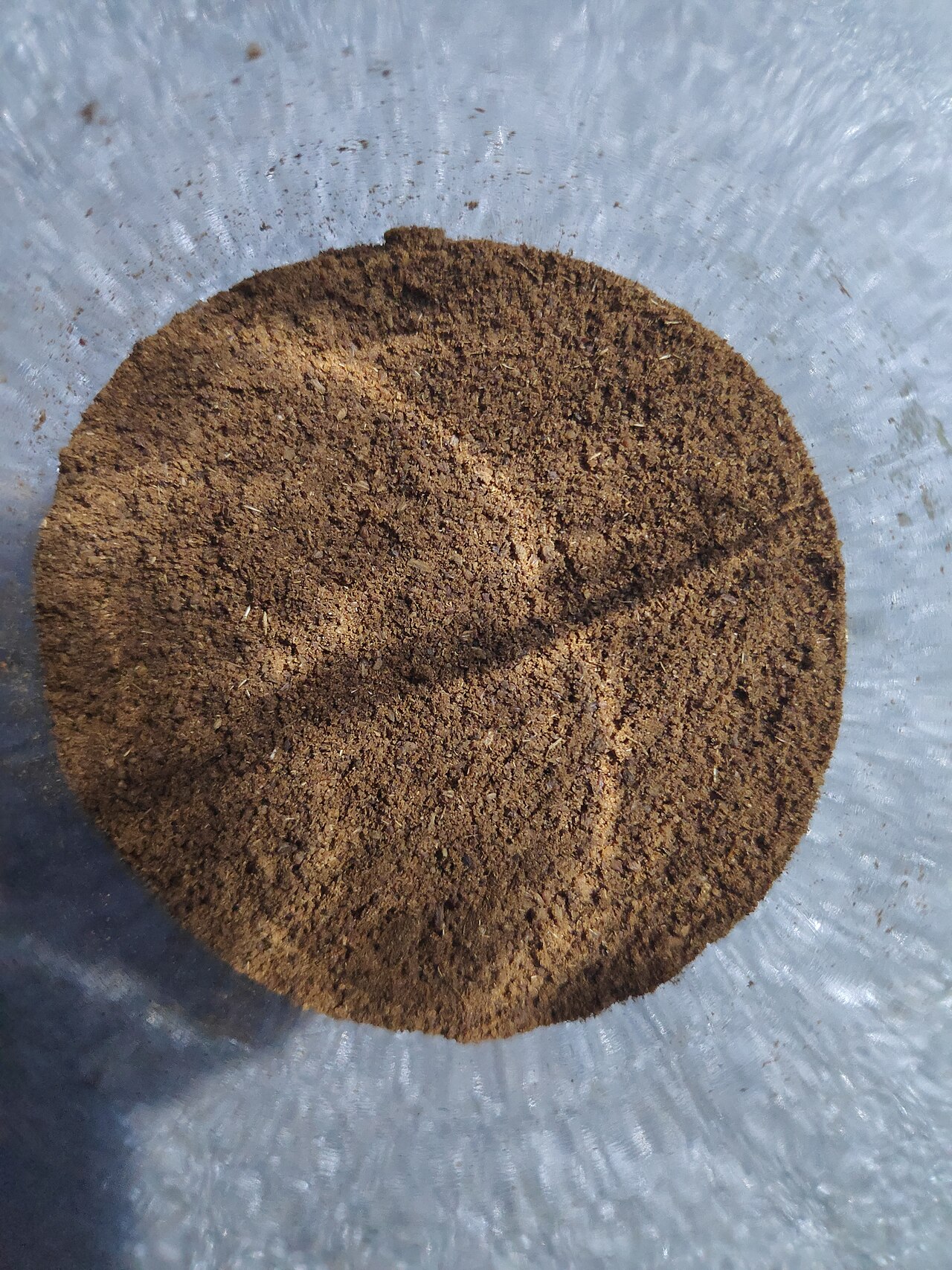
Thyme is a common component of the bouquet garni and herbes de Provence. It is sold both fresh and dried; the fresh form is more flavourful but less convenient, while dried thyme retains its flavour better than many other herbs. The chemical composition of thyme includes essential oils such as thymol, which is a major component responsible for the plant's antiseptic properties, and carvacrol. Thymol has been historically used as an antibiotic and antiseptic, and is an active ingredient in various commercially produced mouthwashes, such as Listerine. Thyme also contains flavonoids, phenolic acids, triterpenes, tannins, and saponins. Important species include Thymus vulgaris (common thyme), Thymus citriodorus (lemon thymes), Thymus herba-barona (caraway thyme), Thymus praecox (mother of thyme), Thymus pseudolanuginosus (woolly thyme), and Thymus serpyllum (wild thyme). Thyme is best cultivated in a hot, sunny location with well-drained soil, and tolerates drought well.
Did You Know?
- Ancient Egyptians used common thyme for embalming.
- The name of the fish genus Thymallus, given to the grayling by Carl Linnaeus, originates from the faint smell of thyme that emanates from the flesh.
- Thymol, a major component of thyme essential oil, is an active ingredient in Listerine mouthwash.
- In the European Middle Ages, thyme was placed beneath pillows to aid sleep and ward off nightmares.
Gallery
Frequently Asked Questions
What is thyme?
Thyme is a culinary herb made from the dried stems and leaves of plants in the genus Thymus, which sits within the mint family (Lamiaceae). It is one of the most recognizable Mediterranean herbs used in everyday cooking.
Where does thyme originally grow?
Thyme species are native to the Mediterranean region, spanning parts of North Africa, the Levant, and Southern Europe. These warm, dry climates are where the herb has thrived for thousands of years.
Which thyme species is most commonly cultivated?
Thymus vulgaris, often called common thyme, is the species most widely grown and used in kitchens worldwide. It is the variety you will typically find in spice aisles and home herb gardens.
What is thyme known for beyond cooking?
Beyond its role as a flavoring herb, thyme has long been prized for its antiseptic qualities and its place in traditional medicine. It also has a historical connection to embalming practices and the use of incense.
What plant family does thyme belong to?
Thyme is a member of the Lamiaceae family, the same group that includes mint, oregano, and basil. This shared lineage explains the characteristic aromatic, slightly woody scent thyme has in common with its mint-family relatives.
More in Herbs And Spices 1-15
Spotted an error? Know more?
This is a living reference — every entry is fact-audited, and reader corrections feed straight into our audit queue. Suggest an edit · See this site's audit record