Ginseng
Root of Panax and other plants used in traditional medicine with some clinical evidence for therapeutic effects.

Fumikas Sagisavas · CC0
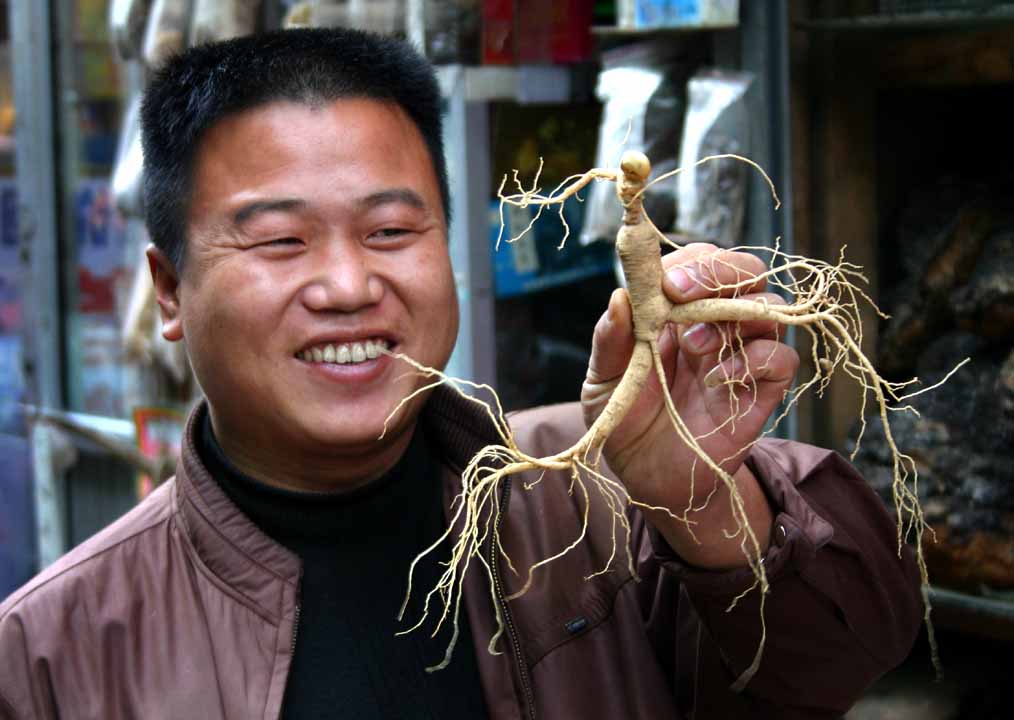
Ginseng is the root of plants commonly referred to as ginseng, most notably those in the genus Panax, including species such as Korean ginseng (P. ginseng), American ginseng (P. quinquefolius), and Sanqi (P. notoginseng, also known as notoginseng). It is characterized by the presence of ginsenosides and gintonin. Ginseng has been used in the traditional medicine of Korea and China for centuries, and clinical evidence suggests it may have therapeutic effects on cognitive function, immune response, and fatigue, though results are mixed.
- Genus
- Panax
- Key species
- Panax ginseng, Panax notoginseng, Panax quinquefolius
- Traditional use
- Korea and China
- Global sales (2013)
- Over $2 billion
- Largest consumer
- China
Lore & Background
While the most well-known ginseng plants belong to the genus Panax, the common name 'ginseng' is also applied to plants outside this genus, such as Siberian ginseng (Eleutherococcus senticosus). Cultivated Panax species include Panax ginseng (Korean ginseng), Panax japonicus (Japanese ginseng), Panax notoginseng (Sanqi or notoginseng), and Panax quinquefolius (American ginseng). Ginseng is found in cooler climates – the Korean Peninsula, Northeast China, Russian Far East, Canada and the United States – although some species grow in warm regions, such as Sanqi being native to Southwest China and Vietnam. Wild ginseng grows naturally in mountains and is hand-picked by gatherers known as simmani. Due to high demand, wild Panax ginseng is almost extinct in China and endangered in its native range, but American ginseng (P. quinquefolius) is not globally endangered. Wild American ginseng has long been used by Native Americans for medicine and has been harvested for international trade since the mid-1700s. Cultivated ginseng is less expensive than wild ginseng. One of the first written texts covering the use of ginseng as a medicinal herb was the Shen Nong Pharmacopoeia, traditionally attributed to the mythical Shennong and compiled around the first or second century AD.
Reader's Guide
Ginseng has been used in the traditional medicine of Korea and China for centuries, but there is no clinical evidence that it has any therapeutic effects. No substantial evidence shows it is effective for treating any medical condition, and it has not been approved by the US Food and Drug Administration to treat or prevent a disease or to provide a health benefit. Although sold as a dietary supplement, inconsistent manufacturing practices have led to some ginseng products being contaminated with unrelated filler compounds, and excessive use may have adverse effects or interactions with prescription drugs. Commercial ginseng is sold in over 35 countries, with China as the largest consumer. Ginseng is processed into fresh, white, or red forms. Red ginseng is steamed and dried, giving it a reddish color and making it less vulnerable to decay. Despite its long history in folk belief and traditional use, clinical research indicates no confirmed effects on memory, fatigue, menopause symptoms, or insulin response in people with mild diabetes, and only trivial effects on erectile function.
Did You Know?
- The English word 'ginseng' comes from the Teochew Chinese jîn-sim, meaning 'person plant root'.
- Wild Panax ginseng is almost extinct in China and endangered in its native range, but American ginseng is not globally endangered.
Botanical Identity and the Panax Family
Ginseng is not a single plant but a small group of roots belonging exclusively to the genus Panax. The most widely recognized members include Korean ginseng (Panax ginseng), Japanese ginseng (P. japonicus), South China ginseng (P. notoginseng), and American ginseng (P. quinquefolius). These plants are defined by their production of ginsenosides and gintonin, the compounds that set true ginseng apart from look-alikes. Most species thrive in cooler regions spanning the Korean Peninsula, northeastern China, the Russian Far East, Canada, and the United States, though South China ginseng stretches into the warmer lowlands of southwestern China and Vietnam, and Vietnamese ginseng (P. vietnamensis) marks the southernmost known Panax range. A critical distinction exists between true ginseng and the many unrelated plants marketed under the name. Siberian ginseng, for instance, belongs to a different genus within the same family, produces eleutherosides rather than ginsenosides, and features a woody root instead of a fleshy one. Dozens of other species—from Peruvian maca to Indian ashwagandha—carry the ginseng label in common usage yet share no botanical lineage with Panax.
Centuries of Tradition, Modern Skepticism
For centuries, the roots of Panax species have occupied a central place in the traditional medical systems of Korea and China, where practitioners prescribed them for a wide range of ailments. Yet modern clinical research has failed to confirm any therapeutic benefit, and no substantial evidence supports ginseng's effectiveness against any specific medical condition. The United States Food and Drug Administration has not approved ginseng for the treatment or prevention of disease, nor for any declared health benefit. In practice, the product reaches consumers primarily as a dietary supplement, a regulatory category carrying far fewer safety and efficacy requirements than a drug. This looser oversight has created real problems: analyses of commercial ginseng products have uncovered contamination with unrelated filler compounds, a consequence of inconsistent manufacturing practices. Beyond contamination, excessive consumption can produce adverse physiological effects and may interact dangerously with prescription medications. The contrast between the plant's deep cultural prestige in East Asian medicine and its current status as an unproven, loosely regulated supplement remains one of the most striking tensions in the ginseng story.
From Seed to Shelf: Processing and Preparation
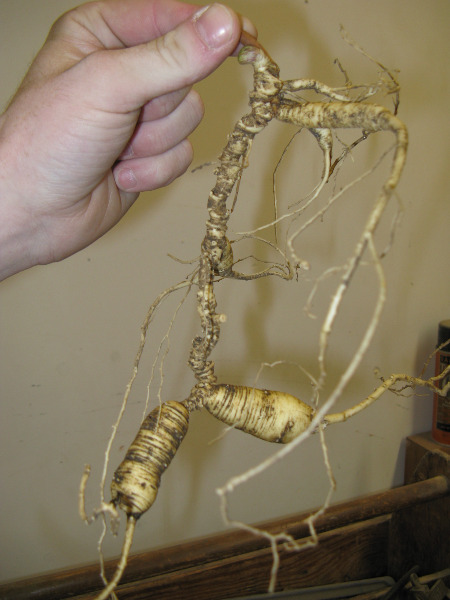
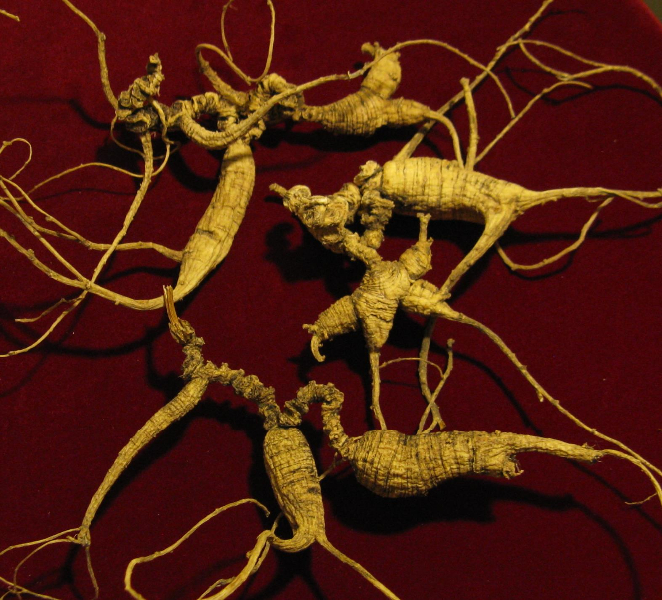
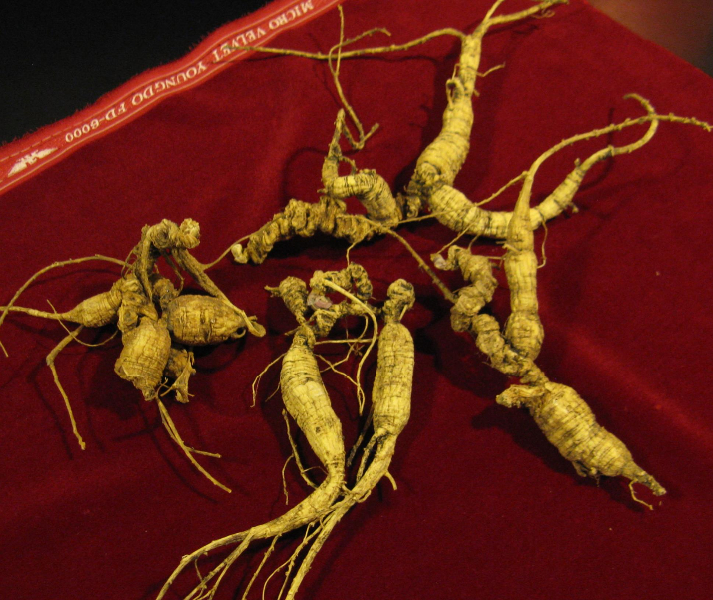
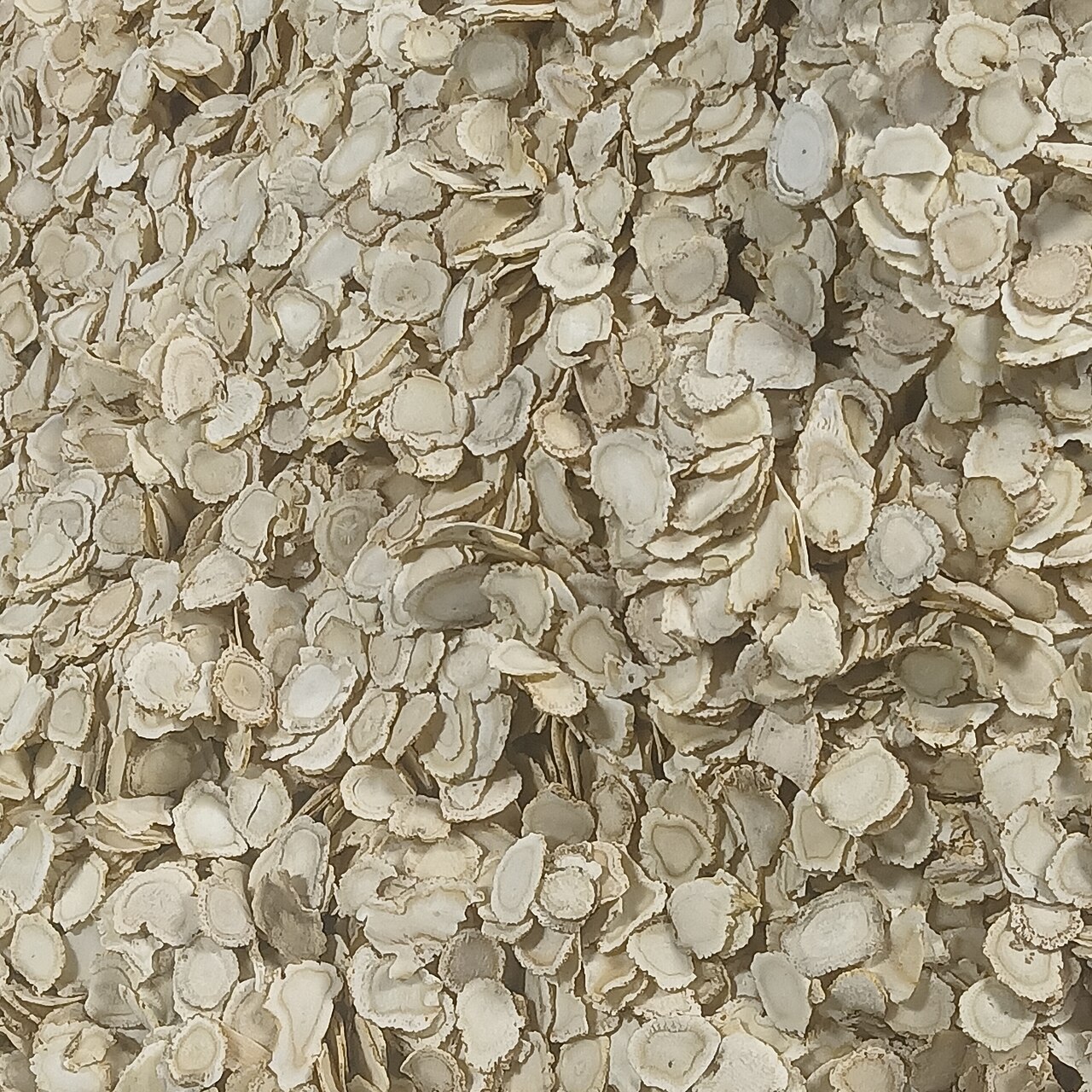
The journey of a ginseng root from soil to consumer passes through several distinct stages, each altering the product's appearance, texture, and shelf life. Seeds harvested from autumn berries do not germinate until the following spring and must first undergo stratification—a prolonged storage period in a moist medium with alternating warm and cold treatment. Once the plant matures, the root can be sold as fresh or green ginseng, the raw, undried product. For white ginseng, the root is peeled and dried without any heating, reducing its water content to twelve percent or less; sun-drying bleaches the root to a pale yellowish-white hue. Red ginseng follows a different path: after peeling, the root is steamed at standard boiling temperature of one hundred degrees Celsius and then dried, acquiring a characteristic reddish color. This steaming step makes red ginseng far more resistant to decay than its white counterpart. In some traditional preparations, the finished red root is marinated in an herbal brew, a process that renders it extremely brittle. Wild ginseng, whether Korean or American, can be processed into either the white or red form, while cultivated roots follow the same pathways at industrial scale.
A Global Industry and a Conservation Crisis
Ginseng is now a multi-billion-dollar commodity traded in over thirty-five countries, with China as the largest consumer. By 2013, global sales surpassed two billion dollars, with South Korea producing roughly half of all output. In the early twenty-first century, four nations—China, South Korea, Canada, and the United States—generated ninety-nine percent of the world's eighty thousand tons. China led with nearly forty-five thousand tons, South Korea at twenty-seven thousand, Canada at six and a half thousand, and the United States at just over one thousand. South Korean production is exclusively P. ginseng, while China cultivates P. ginseng, South China ginseng, and the more recently introduced American variety. Canada and the United States focus predominantly on P. quinquefolius. Behind this commercial scale lies a conservation crisis: wild Korean ginseng is nearly extinct in China and endangered globally, as demand has driven harvesting far faster than the slow-maturing plants can reproduce. In North America, wild American ginseng, long used by Native peoples for medicine, has been harvested for international trade since the mid-seventeenth century and now faces export restrictions across the nineteen states and Appalachian regions where it persists.
Gallery
Frequently Asked Questions
Who is Ginseng?
Ginseng is the underground root of plants in the genus Panax, with the most recognized species being Korean ginseng (P. ginseng), American ginseng (P. quinquefolius), and Sanqi (P. notoginseng). It has served as a core medicinal ingredient in Korean and Chinese traditional practice for hundreds of years.
What are Ginseng's powers or role?
Its signature bioactive compounds—ginsenosides and gintonin—are studied for potential benefits to cognition, immune function, and fatigue reduction, though clinical outcomes remain inconsistent. In traditional systems it is typically prescribed as an adaptogenic tonic to restore overall vitality.
How does Ginseng's story end?
As of the 2010s the global ginseng trade was valued at over two billion dollars per year, with China still the largest single consumer. Ongoing clinical research into its specific molecular effects means the herb's scientific narrative is far from concluded.
Why is Ginseng important?
It stands out as one of the few plant roots that bridges centuries of documented traditional use with modern pharmacological investigation into identifiable active compounds. Its multi-billion-dollar market and dual role in both folk medicine and contemporary research make it a cornerstone of the global herbal industry.
More in Herbs And Spices 1-15
Spotted an error? Know more?
This is a living reference — every entry is fact-audited, and reader corrections feed straight into our audit queue. Suggest an edit · See this site's audit record