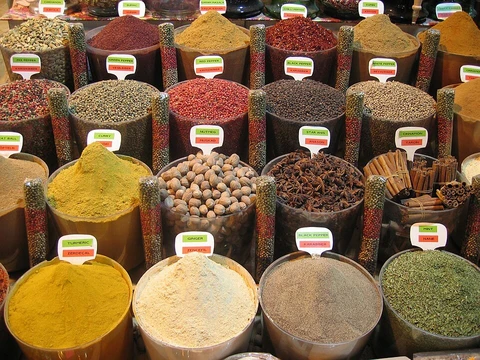
Henna
A plant-based dye used for body art since antiquity.

Petar Milošević · CC BY-SA 4.0
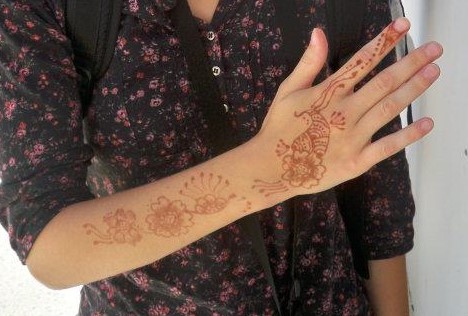
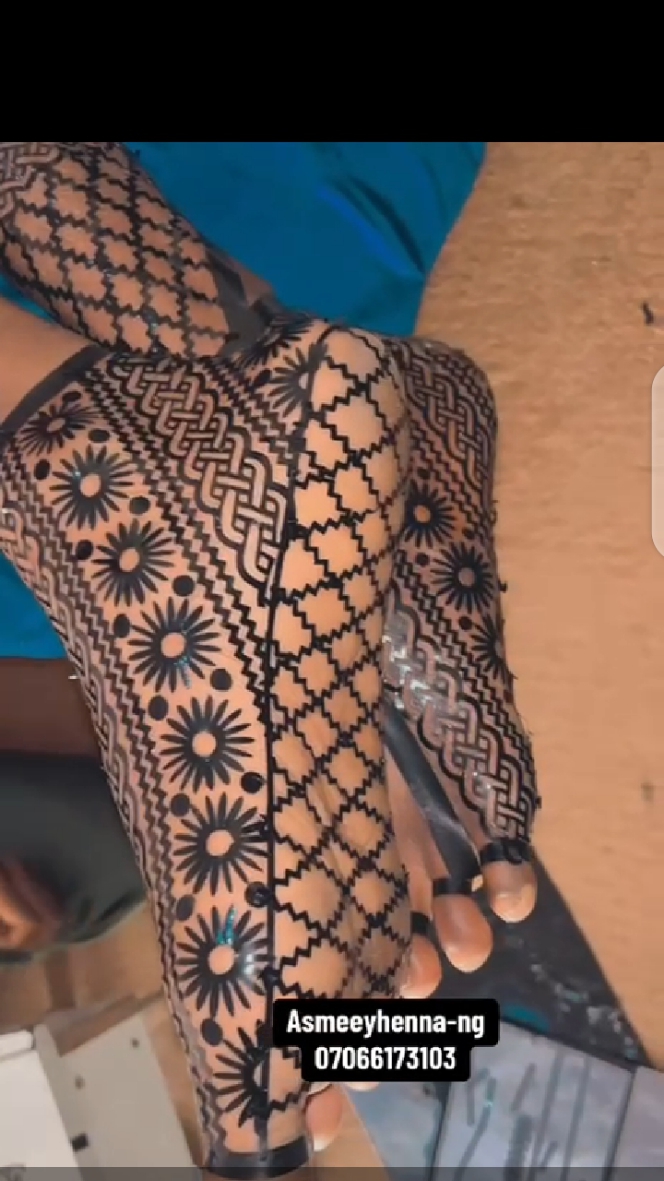
Henna is a dye made from dried, powdered leaves of Lawsonia inermis, used to produce reddish stains in body art. It originates in North Africa and the Middle East and has been used since at least antiquity across the region, including in ancient Egypt, Mesopotamia, and pre-Islamic Arabian cultures, as a hair and body dye, notably in the temporary body art of mehndi.
- origin
- North Africa and the Middle East
- plant_species
- Lawsonia inermis
- active_agent
- lawsone
- stain_color
- reddish brown
- stain_duration
- one to three weeks
- earliest_known_use
- ancient Egypt and Babylonia
Lore & Background
The origins of the initial human uses of henna are uncertain, but records indicate the plant was marketed in Babylonia and used in ancient Egypt on mummies to dye hair, skin, nails, or funeral wrappings. It arrived in the Maghreb region during the Punic civilization through Phoenician diasporas, where it was used as a beautification tool. Pliny the Elder wrote about its use in the Roman Empire as a medicine, a perfume, and a dye. Whole henna leaves do not stain the skin; the active chemical lawsone is bound within the plant. Dried leaves mashed into a paste release lawsone, which migrates into the outer skin layer and binds to proteins. The paste is applied with tools such as sticks, syringes, or plastic cones, and must be left on for at least four to six hours. After removal, stains are initially orange and darken over three days to a deep reddish brown. Henna has been used to dye hair, skin, fingernails, and fabrics including silk, wool, and leather. In Europe, it became popular among women connected to the aesthetic movement and Pre-Raphaelite artists in the 1800s. Opera singer Adelina Patti is sometimes credited with popularizing its use in Europe in the late nineteenth century.
Reader's Guide
Henna holds significance as one of the oldest known natural dyes, with a continuous history of use in body art, hair dye, and textile coloring across North Africa, the Middle East, and beyond. Its cultural importance is evident in the tradition of mehndi, where intricate temporary patterns are applied to the skin for celebrations. The dye's chemistry—lawsone binding to skin proteins—produces a stain that lasts one to three weeks, making it a safe, temporary alternative to permanent tattoos. Henna's legacy includes its spread from ancient Egypt and the Maghreb to West Africa, the Indian subcontinent, and Eastern Europe, influencing beauty practices worldwide. The name 'henna' is also used for non-plant-based dyes like black henna and neutral henna, which are not derived from Lawsonia inermis. Modern use requires caution, as pre-made pastes older than seven days may contain harmful undisclosed additives. Properly stored dried henna powder can be shipped and kept for years, while fresh paste must be used or frozen within days to maintain staining ability.
Did You Know?
- Henna stains are orange when the paste is first removed but darken over three days to a deep reddish brown due to oxidation.
- The name henna comes from the Arabic word حِنَّاء (ḥinnāʾ).
- Whole, unbroken henna leaves will not stain the skin because the active chemical lawsone is bound within the plant.
- Commercially packaged pastes that remain able to stain the skin for longer than seven days without refrigeration contain other chemicals besides henna that may be dangerous.
Ancient Roots and a Wandering Tradition
Henna's story stretches back into deep antiquity, though the exact moment humans first ground its leaves remains unknown. What is documented is striking: the plant was already being traded in Babylonia, and in ancient Egypt it served not merely as a cosmetic but as part of funerary practice, staining the hair, skin, nails, and even the wrappings of mummies. Its reach expanded through the Punic world and Phoenician trade networks into the Maghreb, where it became a tool of personal adornment. Pliny the Elder later catalogued its uses across the Roman Empire as a medicine, a fragrance, and a dye. From these early centers, henna's influence rippled outward—touching Carthage, the Horn of Africa, Central and West Africa, the Indian subcontinent, and eventually the Balkans, the North Caucasus, Crimea, and the Volga region, where Turkic, Slavic, Vlach, Albanian, and Kavkaz communities wove it into their own traditions. Beyond the body, the dye found its way into silk, wool, and leather, embedding itself in the material culture of every region it reached.
The Chemistry of a Temporary Mark
The magic of henna lies in a single compound called lawsone, which sits locked inside the leaf structure and refuses to stain skin while the leaf is whole and unbroken. Only when the dried leaf is milled into a fine powder and mixed into a paste does the lawsone begin its slow migration into the outermost layer of skin, where it binds to proteins and produces the characteristic reddish mark. The paste must rest anywhere from one to forty-eight hours before application, giving the dye molecules time to leach out of the leaf matter. Freshly removed, the stain appears orange; over the next three days, oxidation deepens it to a rich reddish brown. The soles of the feet and palms of the hands, with their thicker epidermis, absorb the most lawsone and therefore yield the darkest, longest-lasting marks. Once the color peaks, the stain persists for a few days before gradually fading through natural exfoliation, typically disappearing within one to three weeks. Crucially, the leaf holds only a finite quantity of lawsone, meaning the dye-release window after mixing is limited to roughly two to six days.
Tools, Timing, and Regional Craft
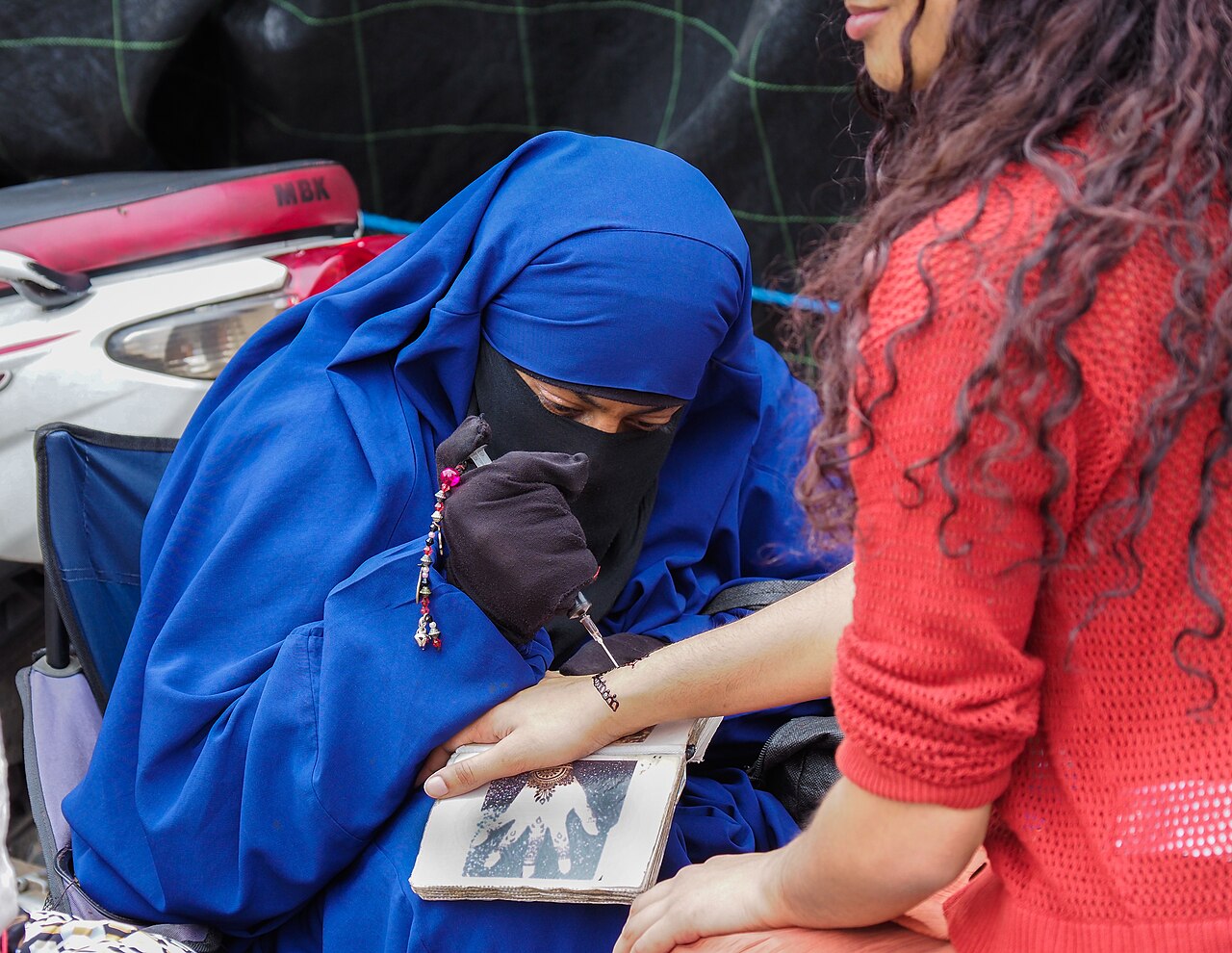
The application of henna is as varied as the cultures that practice it. In Morocco, artists commonly squeeze paste from a syringe; in India, a small plastic cone—much like those used for piping cake icing—allows precise lines. Elsewhere, a simple stick or twig suffices. The paste itself is a recipe: dry powder blended with water, lemon juice, or strong tea, often sweetened with sugar or molasses to improve adhesion. Essential oils rich in monoterpene alcohols—tea tree, cajuput, lavender—enhance the stain, while others like eucalyptus and clove are avoided for their irritating potential. Once applied, the paste must stay on the skin for a minimum of four to six hours, though many practitioners leave it on overnight. A sugar-and-lemon sealant is dabbed over the dried paste to prevent flaking. Removal is done by brushing or scraping, sometimes aided by cooking oil, but never with water, which disrupts the oxidation that deepens the color. Some artists steam or warm the pattern to encourage a darker result, though the effect remains debated.
Fakes, Fears, and the Lost Leaf
A troubling shadow falls over the henna trade. Products marketed as "black henna" or "neutral henna" contain no henna plant material at all. More insidiously, many commercially packaged pastes that promise a lasting stain well beyond the natural seven-day window actually rely on undisclosed chemical dyes—sodium picramate being one example—because the finite lawsone in the leaf is entirely spent after roughly two to six days of release. These products, often labeled "natural," "pure," or "organic," may carry no henna whatsoever, and the added compounds can pose genuine risks to the skin. Genuine henna paste, by contrast, is perishable: once mixed, it loses staining power quickly and cannot sit on a shelf for more than a week. If a batch will not be used within those first few days, freezing it for up to four months halts the dye release, allowing thawing and application later. The distinction between a true, short-lived natural paste and a chemically extended commercial product is one that consumers are rarely equipped to make.
Gallery

Frequently Asked Questions
What is Henna?
Henna is a natural dye produced from the dried, ground leaves of the Lawsonia inermis plant. It is best known for creating a reddish-brown stain on skin and hair, a practice rooted in body art traditions called mehndi.
Where does Henna originate from?
It is native to North Africa and the Middle East, with the earliest documented uses found in ancient Egypt and Babylonia. The tradition of applying it as a dye has continued across the region for thousands of years.
What compound gives Henna its color?
The active dyeing agent is a molecule called lawsone, which bonds to keratin in skin and hair to produce the signature reddish-brown hue.
How long does a Henna stain last?
A typical application on the skin remains visible for roughly one to three weeks before gradually fading as the outer skin layers naturally shed.
Why is Henna significant in cultural traditions?
It has served as a staple of beauty and ceremonial practices across North Africa, the Middle East, and beyond since antiquity, most notably in bridal and festive mehndi designs. Its long history and plant-based nature make it one of the oldest continuously used natural dyes in the world.
More in Herbs And Spices 1-15
Spotted an error? Know more?
This is a living reference — every entry is fact-audited, and reader corrections feed straight into our audit queue. Suggest an edit · See this site's audit record