Sage
A term spanning plants, fiction, software, and philosophy.

Netherzone · CC BY-SA 4.0
Sage, or SAGE, is a term with multiple meanings across plants, arts, entertainment, media, businesses, organizations, people, places, schools, science, technology, and other uses. The source article lists a wide range of references, from culinary herbs to fictional characters, software, and advisory bodies.
- field
- Multiple fields (botany, entertainment, technology, philosophy, etc.)
- known_for
- Common culinary herb; fictional characters; enterprise software; advisory groups; philosophical concept of wisdom
Lore & Background
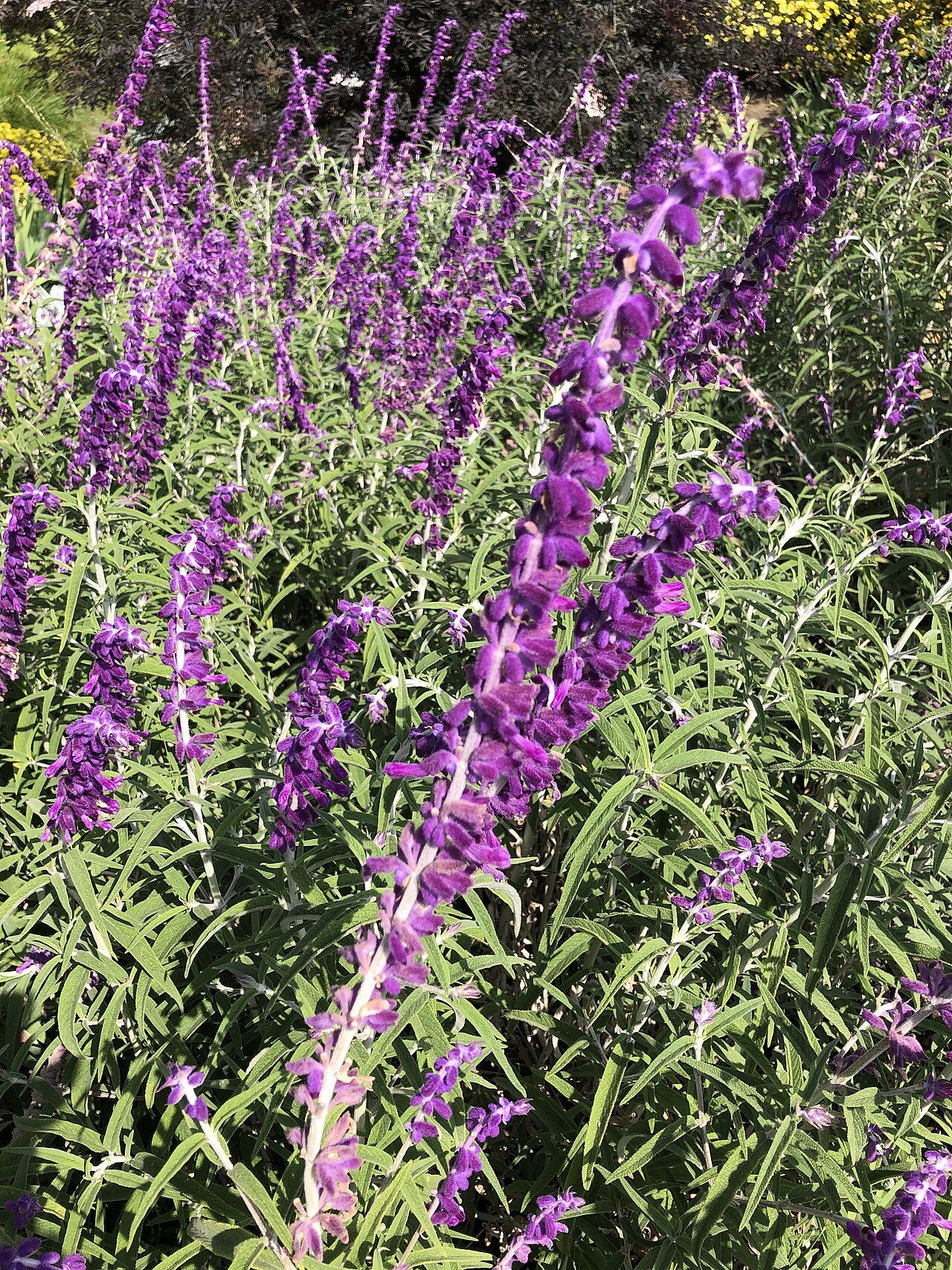
The term 'sage' primarily refers to Salvia officinalis, a small evergreen subshrub used as a culinary herb, and to the larger genus Salvia. Other plants called sage include Teucrium scorodonia (wood sage), Leucophyllum shrubs, and Artemisia species (sagebrush). In classical philosophy, a sage is someone who has attained wisdom, and the wise old man archetype was described by Carl Jung. In arts and entertainment, Sage appears as a Marvel Comics character, a character in the Canadian TV series Dark Oracle, and in shows such as Hot Wheels Battle Force 5, The Vampire Diaries, and The SpongeBob Movie: Sponge on the Run. The Legend of Zelda features characters called Sages, and the Sonic the Hedgehog franchise includes Sage. The term also covers the Sage writing form, the Sonic Amateur Games Expo (SAGE), and venues like The Glasshouse in Gateshead. Organizations named SAGE include Services & Advocacy for GLBT Elders, the Strategic Advisory Group of Experts (WHO), and the Scientific Advisory Group for Emergencies (UK). In technology, SAGE refers to the Semi-Automatic Ground Environment radar system, SageMath software, and the Serial Analysis of Gene Expression technique.
Reader's Guide
The term 'sage' demonstrates remarkable semantic breadth, encompassing a culinary herb, a philosophical ideal, fictional characters, software, and advisory bodies. Its botanical roots in Salvia officinalis and related plants ground it in everyday cooking and horticulture, while its philosophical meaning—a person of wisdom—has ancient origins. In modern media, Sage appears as a character in Marvel Comics, Sonic the Hedgehog, and other franchises, reflecting the term's adaptability. The acronym SAGE is used by major organizations such as the WHO's Strategic Advisory Group of Experts and the UK's Scientific Advisory Group for Emergencies, indicating its role in public health and policy. In technology, the Semi-Automatic Ground Environment was a pioneering radar computer system, and SageMath is a free mathematics software package. This multiplicity of meanings makes 'sage' a rich subject for cross-disciplinary reference, illustrating how a single word can evolve across domains without losing its core associations with knowledge, flavor, or utility.
Did You Know?
- Salvia officinalis, common sage, is a small evergreen subshrub used as a culinary herb.
- Sage (Marvel Comics) is a fictional character in Marvel comics.
- SAGE stands for Semi-Automatic Ground Environment, NORAD's radar coordination computers.
- The Sage, in classical philosophy, is someone who has attained wisdom.
Sage's Place in European Seasoning
Sage holds a position within the European tradition of blended herbs, most notably as a named component of Italian seasoning. In the European listing, this particular blend brings together oregano, thyme, basil, parsley, and sage into a single mixture designed to season a range of dishes. It is worth noting that the Americas section presents a slightly different formulation of Italian seasoning, one that calls for rosemary, thyme, basil, and oregano, without explicitly naming sage. This subtle regional variation illustrates how the same named blend can shift in composition depending on where it is prepared or sold. Sage, in this context, is not a standalone star but rather one voice in a chorus of Mediterranean herbs, contributing its own character to the overall profile of the mix. Its inclusion alongside parsley and the other listed herbs suggests a role in rounding out the aromatic complexity that defines European seasoning traditions.
The Convenience of Pre-Blended Herbs
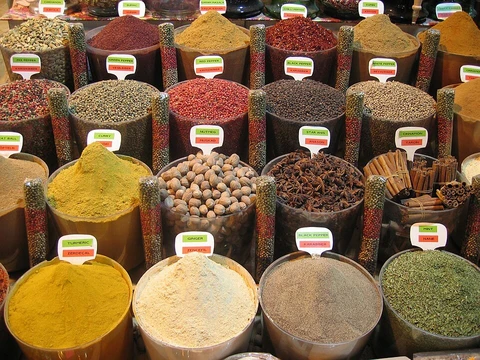
The fundamental reason spice mixes exist is practical: when a recipe demands a specific combination of herbs or spices, it saves considerable time and effort to blend those ingredients ahead of time rather than measuring each one individually at the stove. Sage participates in this broader ecosystem of pre-mixed seasonings, which span everything from chili powder and curry powder to seasoned salts and baking blends like pumpkin pie spice. These combinations are traditionally available pre-made on grocery store shelves, yet they are equally simple for a home cook to assemble from individual dried herbs and set aside for later use. The concept is not limited to any single cuisine or continent; it is a universal kitchen strategy. Whether one is reaching for a jar of Italian seasoning that contains sage among its components or hand-mixing a small batch of dried herbs in a bowl, the underlying principle remains the same: convenience through thoughtful pre-combination.
Sage Among the World's Blends
Sage's appearance in European Italian seasoning places it within an extraordinarily diverse global landscape of spice mixes. The European shelf alone includes fines herbes with its parsley, chives, tarragon, and chervil; herbes de Provence combining thyme, marjoram, rosemary, basil, and bay leaf; and quatre épices pairing ground pepper, cloves, nutmeg, and ginger. Across the Atlantic, the Americas offer jerk rubs built on allspice and Scotch bonnet peppers, Old Bay with its celery salt and paprika, and Tajín's Mexican blend of chili, salt, and dehydrated lime. In the Middle East and Africa, ras el hanout, berbere, and za'atar each carry their own regional identity. East and Southeast Asia contribute five-spice powder, shichimi, and Vietnamese húng lìu. South Asia offers garam masala, panch phoron, and tandoori masala. Sage, as one ingredient in one European blend, occupies a single thread in this vast, continent-spanning tapestry of combined flavors.
From Sanskrit Roots to Modern Kitchens
The tradition of combining spices into a single mix has deep linguistic and cultural roots. The very word masala, used across the Indian subcontinent for both dry spice combinations and wet pastes incorporating garlic, ginger, onions, chili paste, and tomato, derives from the Sanskrit term for mashing or grinding to powder. This ancient practice of blending ingredients for flavor echoes through every region listed in the global survey of spice mixes. In the European context where sage appears, the same impulse drives the creation of mixed spice for British puddings, mulling spices for warm drinks, and seasoned salts that pair table salt with various herbs. The principle is consistent everywhere: a recipe calls for a particular combination, and the cook or grocer assembles those parts into one convenient unit. Whether the result is a dry rub for Jamaican jerk, a Yemenite hawaij for soups and coffee, or a Provençal blend of thyme, marjoram, rosemary, basil, and bay leaf, the act of bringing individual aromatics together into a single preparation remains one of humanity's oldest culinary strategies.
Gallery


Frequently Asked Questions
What is sage?
Sage (Salvia officinalis) is a hardy perennial herb in the mint family, prized for its silvery-green, slightly fuzzy leaves that lend a bold, earthy aroma to savory dishes. It is one of the most widely cultivated culinary herbs in temperate climates.
How do you use sage in cooking?
Dried sage is a staple in stuffings, sausages, and roasted vegetable recipes, while fresh leaves can be crumbled into soups, stirred into butter for pasta, or flash-fried into a crispy garnish. Because its flavor is intense, cooks typically call for just a pinch rather than a generous handful.
What does sage taste like?
It carries a strong, slightly bitter, resinous flavor with notes of pine and a faint peppery edge. That concentrated, almost camphor-like quality is what makes a small amount go a long way in a recipe.
How should I store sage to keep it fresh?
Fresh sprigs stay usable for roughly a week when wrapped loosely in a damp paper towel and tucked into the refrigerator. Dried leaves retain their potency for up to a year if kept in an airtight jar away from direct light and heat.
Can I substitute sage with another herb?
A small amount of dried thyme or rosemary can approximate its earthy, resinous character in a pinch, though neither fully replicates sage's distinctive slightly bitter, piney note. For the closest match, a blend of thyme and a whisper of dried rosemary works well in savory applications.
More in Herbs And Spices 1-15
Spotted an error? Know more?
This is a living reference — every entry is fact-audited, and reader corrections feed straight into our audit queue. Suggest an edit · See this site's audit record