Rosemary
Aromatic Mediterranean shrub used as flavoring and symbol of remembrance.

Mokkie · CC BY-SA 3.0
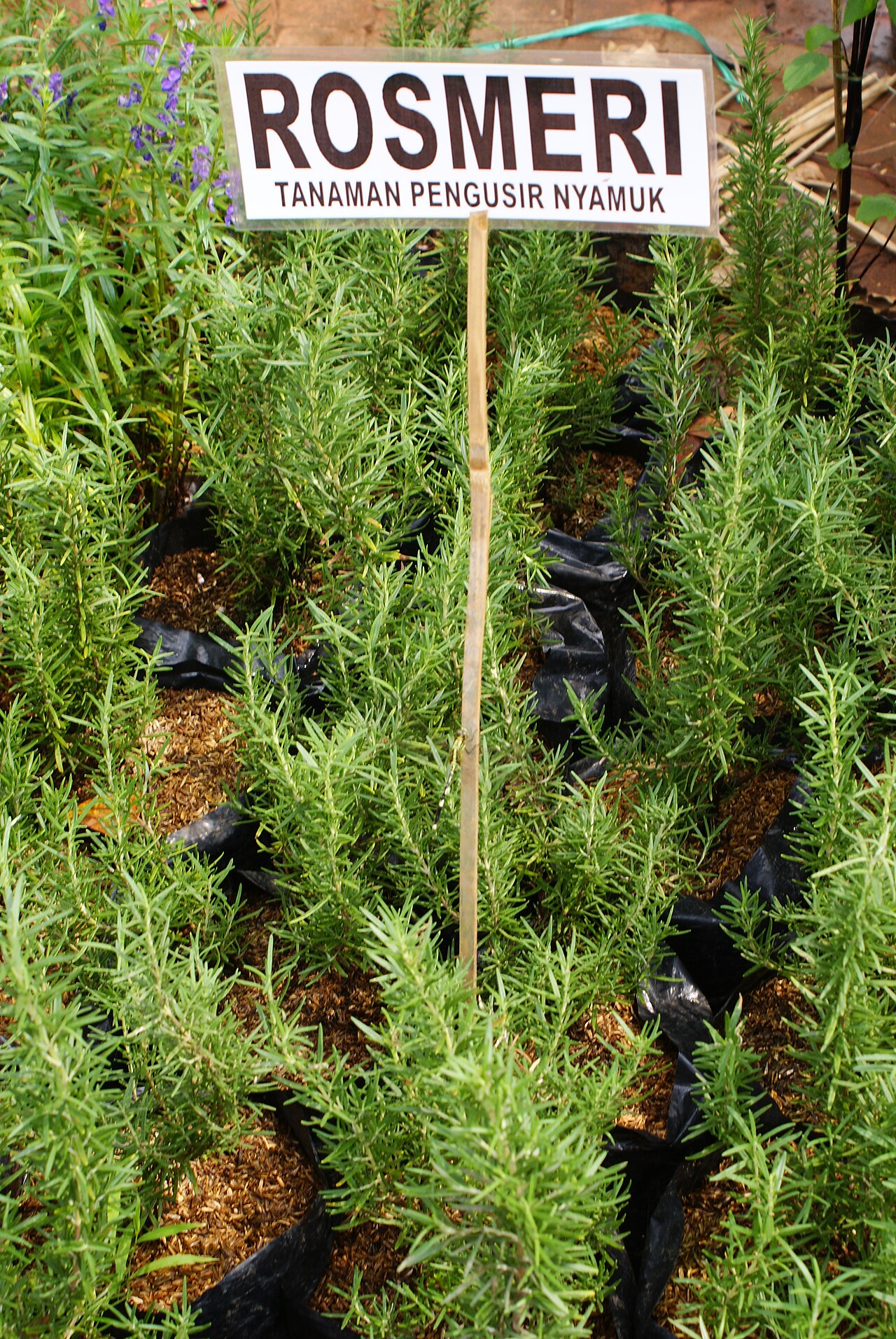
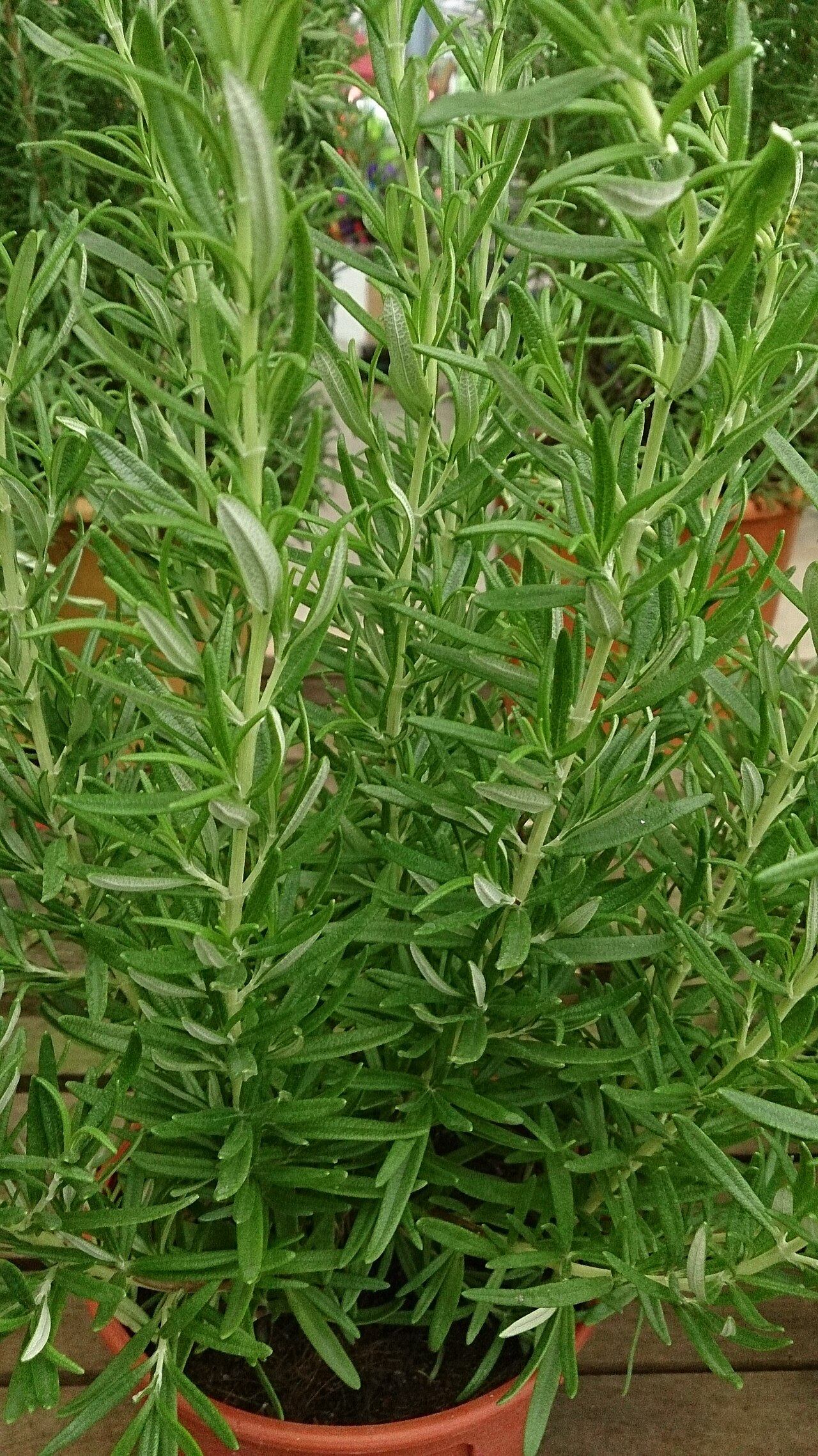
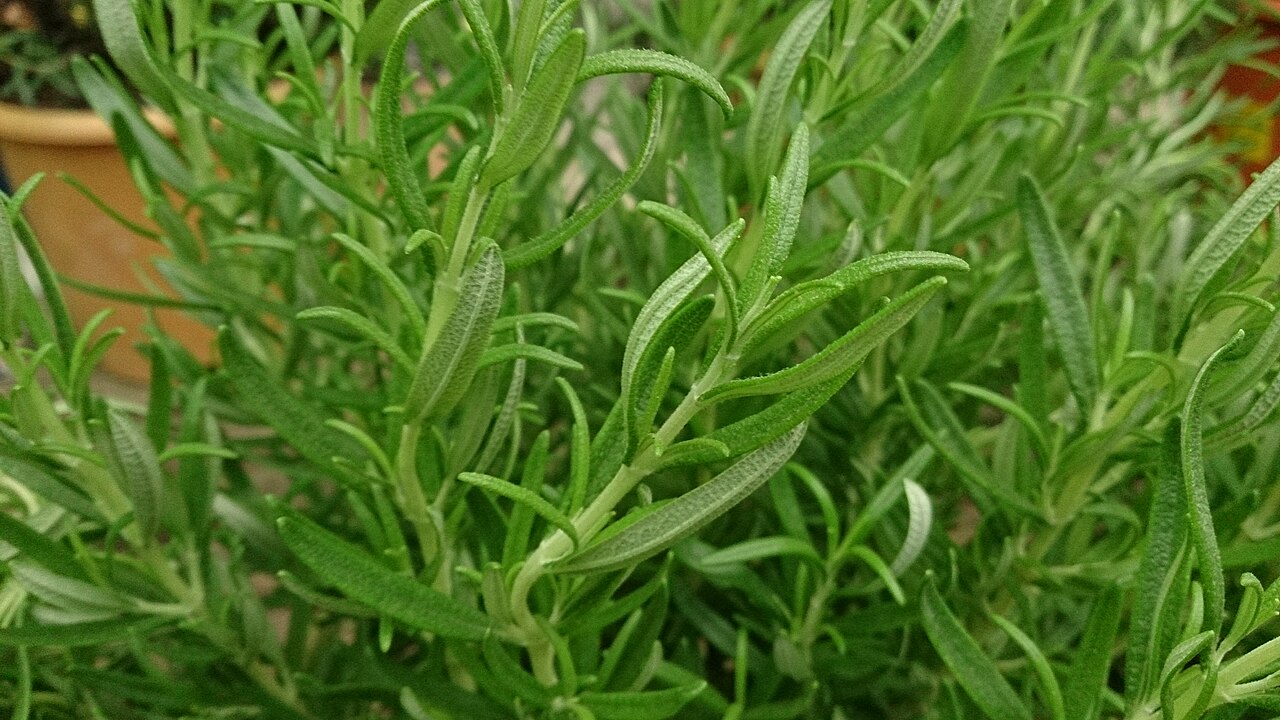
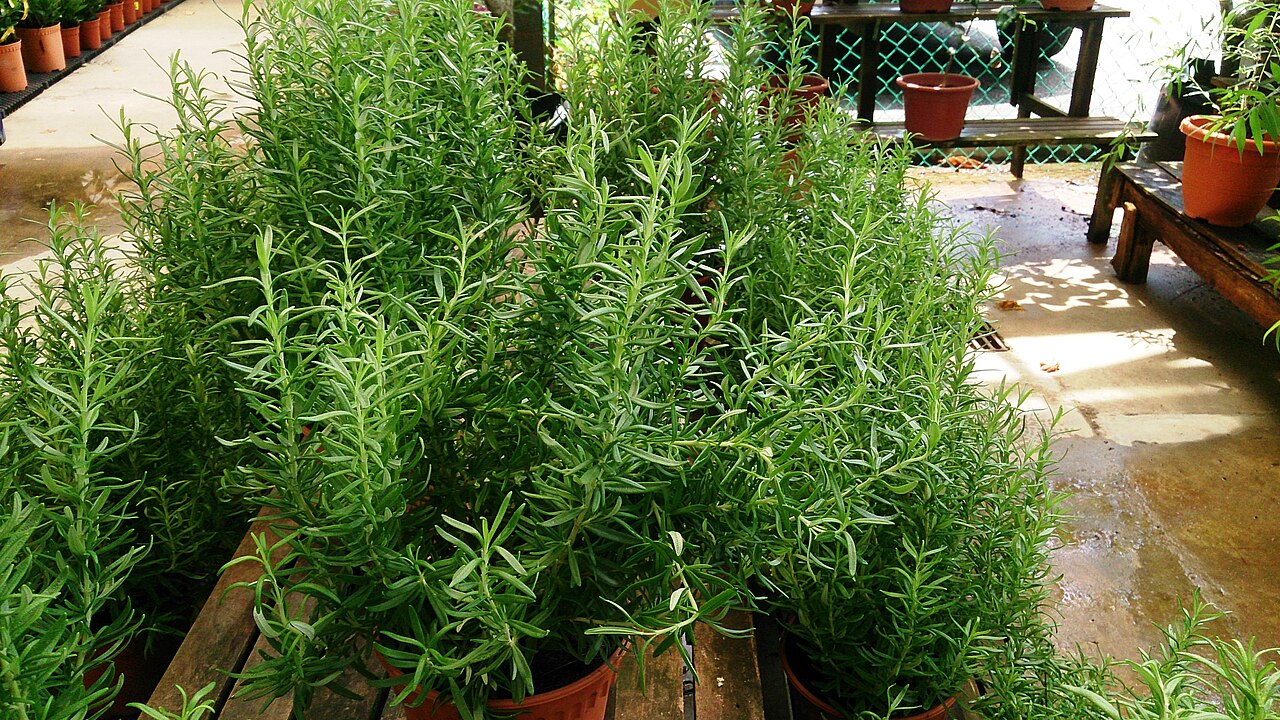
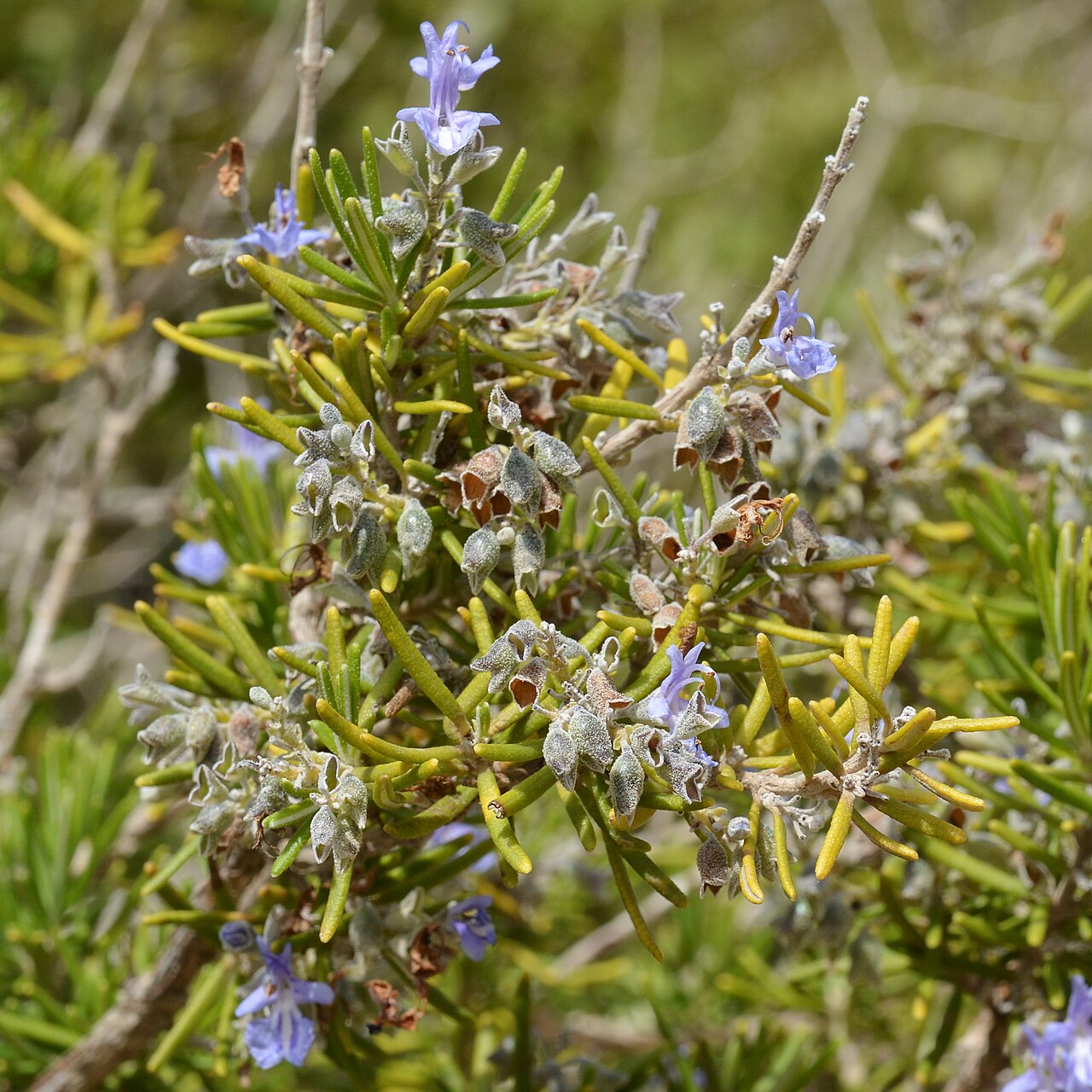
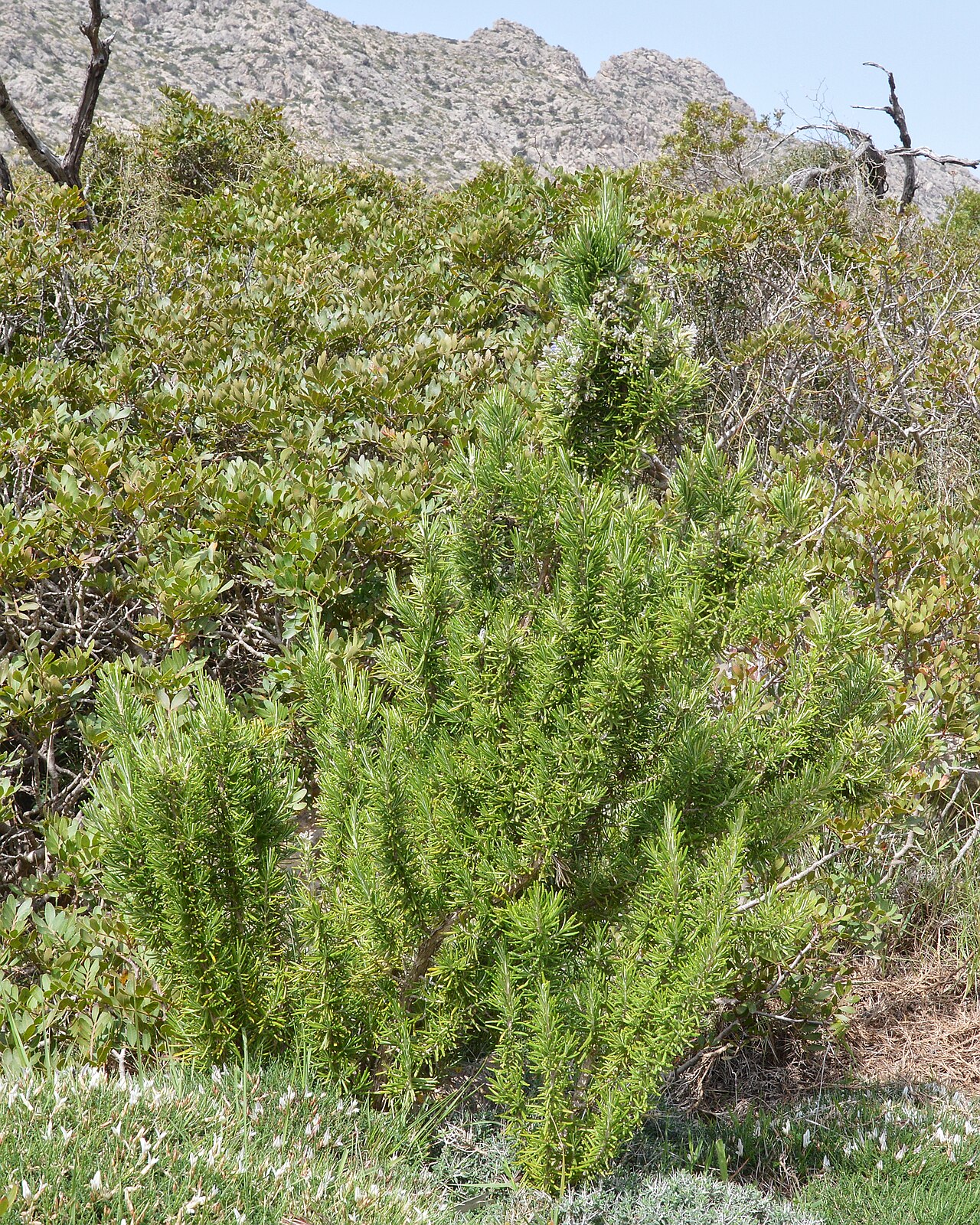
Rosemary (Salvia rosmarinus, synonym Rosmarinus officinalis) is a shrub with fragrant, evergreen, needle-like leaves and purple or sometimes white, pink, or blue flowers. It is a member of the mint family, Lamiaceae, and is native to the Mediterranean region. The species has numerous cultivars, and its leaves are commonly used as a flavoring.
- Scientific name
- Salvia rosmarinus (syn. Rosmarinus officinalis)
- Family
- Lamiaceae
- Native region
- Mediterranean region, Portugal, northwestern Spain
- Height
- 1.2–1.8 m (4–6 ft) upright forms
- Lifespan
- Up to 35 years
- Flower colors
- White, pink, purple, deep blue
- Hardiness
- Some cultivars withstand −20 °C (−4 °F)
Lore & Background
The epithet officinalis could not be used because Salvia officinalis already existed, so Spenner used Salvia rosmarinus as a replacement. The plant was considered sacred to ancient Egyptians, Romans, and Greeks, and was written about by Pliny the Elder and the ancient Greek botanist Pedanius Dioscorides in De materia medica.
Reader's Guide
Rosemary is significant as a culinary herb, ornamental plant, and cultural symbol. Its leaves are used fresh or dried to flavor stews, roasted meats, marinades, and herbal tea. Rosemary extract, containing carnosic acid and carnosol, is approved as a food preservative (E392). The plant is drought-tolerant and used in xeriscape landscaping, especially in Mediterranean climates. It is easy to grow, pest-resistant, and can be pruned into formal shapes or low hedges. Cultivars such as 'Arp' withstand winter temperatures down to about −20 °C. In culture, rosemary is associated with remembrance: in Shakespeare's Hamlet, Ophelia says, 'There's rosemary, that's for remembrance.' Mourners toss sprigs into graves, and in Australia, rosemary is worn on ANZAC Day because it grows wild on the Gallipoli Peninsula. Hungary water, one of the first alcohol-based perfumes in Europe, was primarily made from distilled rosemary.
Did You Know?
- Rosemary can live as long as 35 years.
- The plant flowers in spring and summer in temperate climates but may bloom constantly in warm climates.
- Rosemary essential oil contains 10–20% camphor.
Rosemary in Herbes de Provence
Rosemary occupies a prominent position in Herbes de Provence, a spice blend rooted in Provençal culinary tradition. The mixture pairs rosemary with thyme, marjoram, basil, and bay leaf, with lavender appearing as an occasional additional note. Within the European category of pre-mixed seasonings, this blend represents one of the most widely recognized herbal combinations available to home cooks. The practical logic behind such mixes is straightforward: when a recipe calls for several dried herbs in combination, having them already blended saves the cook from measuring each one separately. Grocers have traditionally stocked these ready-made blends, though the same combination can be assembled at home from individual dried herbs for later use. Rosemary's presence in the Provençal mix distinguishes it from other European blends like fines herbes, which relies on parsley, chives, tarragon, and chervil, or the various seasoned salts, giving the Provençal blend its own distinct herbal identity within the broader landscape of European spice mixes.
Rosemary in Italian Seasoning
The Americas version of Italian seasoning offers a different window into rosemary's role in blended spices. In this North American formulation, rosemary is paired with thyme, basil, and oregano to create a ready-to-use herbal mix. Interestingly, the European iteration of Italian seasoning takes a different composition—oregano, thyme, basil, parsley, and sage—leaving rosemary out entirely. This regional divergence highlights how the same named blend can carry different herbal profiles depending on where it is produced and consumed. The convenience factor remains the same in both versions: a cook seeking that familiar Italian-herb flavor can reach for a single pre-mixed packet rather than sourcing four or five individual herbs. Whether purchased from a grocer or blended at home for future recipes, the American Italian seasoning positions rosemary as one of four equal pillars of the blend, granting it a more prominent role than in many other European mixes where it is either absent or one of many components.
The Practical Tradition of Blended Spices
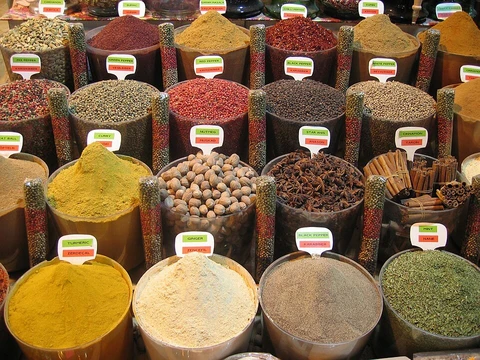
Rosemary's appearances in spice mixes are part of a much larger culinary tradition: the blending of multiple herbs and spices into a single, convenient seasoning. The core idea is practical—when a recipe requires a specific combination of dried ingredients, pre-mixing them streamlines the cooking process. This tradition spans continents and cuisines. In the Americas, blends range from pumpkin pie spice (cinnamon, clove, ginger, nutmeg, allspice) to Old Bay (celery salt, black pepper, red pepper flakes, paprika). In South Asia, masalas combine dry-roasted spices or form pastes with garlic, ginger, onions, and tomato. In the Middle East, mixes like baharat and ras el hanout serve similar unifying functions. Rosemary fits into this global pattern as one herb among many that benefits from being pre-combined with its partners, making complex flavor profiles accessible to any home cook without requiring a full spice cabinet at hand.
Rosemary's Position in the European Blend Taxonomy
Within the European category of spice mixes, rosemary appears in a limited but meaningful number of blends. Herbes de Provence includes it alongside thyme, marjoram, basil, and bay leaf, with lavender as an occasional addition. The American version of Italian seasoning features rosemary as one of four herbs. By contrast, other European blends—fines herbes with its parsley, chives, tarragon, and chervil; quatre épices with pepper, cloves, nutmeg, and ginger; mulling spices with cinnamon, cloves, allspice, nutmeg, and dried fruit; sharena sol with summer savory, paprika, and salt—do not call for rosemary at all. This selective inclusion places rosemary in a specific subset of European blends, distinguishing it from the sweet-spiced mixes like mulling spices and the delicate-herb combinations like fines herbes that populate the same category. The availability of these mixes both pre-made from grocers and as home-blended preparations means that rosemary's role in European seasoning is largely defined by which particular mix a cook chooses to reach for.
Gallery
Frequently Asked Questions
Who is Rosemary?
Rosemary is a fragrant, evergreen shrub in the mint family (Lamiaceae) that is native to the Mediterranean region, Portugal, and northwestern Spain. Its accepted scientific name is Salvia rosmarinus, though you will also see the synonym Rosmarinus officinalis.
What are Rosemary's powers/role?
Its aromatic, needle-like leaves are a staple culinary flavoring, and the plant has long carried the symbolic meaning of remembrance. It also produces small flowers in shades of purple, white, pink, or deep blue.
How does Rosemary's story end?
A healthy Rosemary shrub can live up to 35 years before it finally declines. Upright forms typically stand 1.2 to 1.8 metres (4–6 feet) tall at the end of their life.
Why is Rosemary important?
As one of the most recognizable Mediterranean herbs, it has been cultivated for centuries in both gardens and kitchens. Its many cultivars keep it a go-to flavoring and ornamental plant across the region and beyond.
What does Rosemary look like?
It has dense, evergreen, needle-like foliage and small tubular blossoms that may be white, pink, purple, or deep blue. Its upright shrub habit gives it a tidy, structured silhouette that can reach four to six feet in height.
More in Herbs And Spices 1-15
Spotted an error? Know more?
This is a living reference — every entry is fact-audited, and reader corrections feed straight into our audit queue. Suggest an edit · See this site's audit record